Introduction
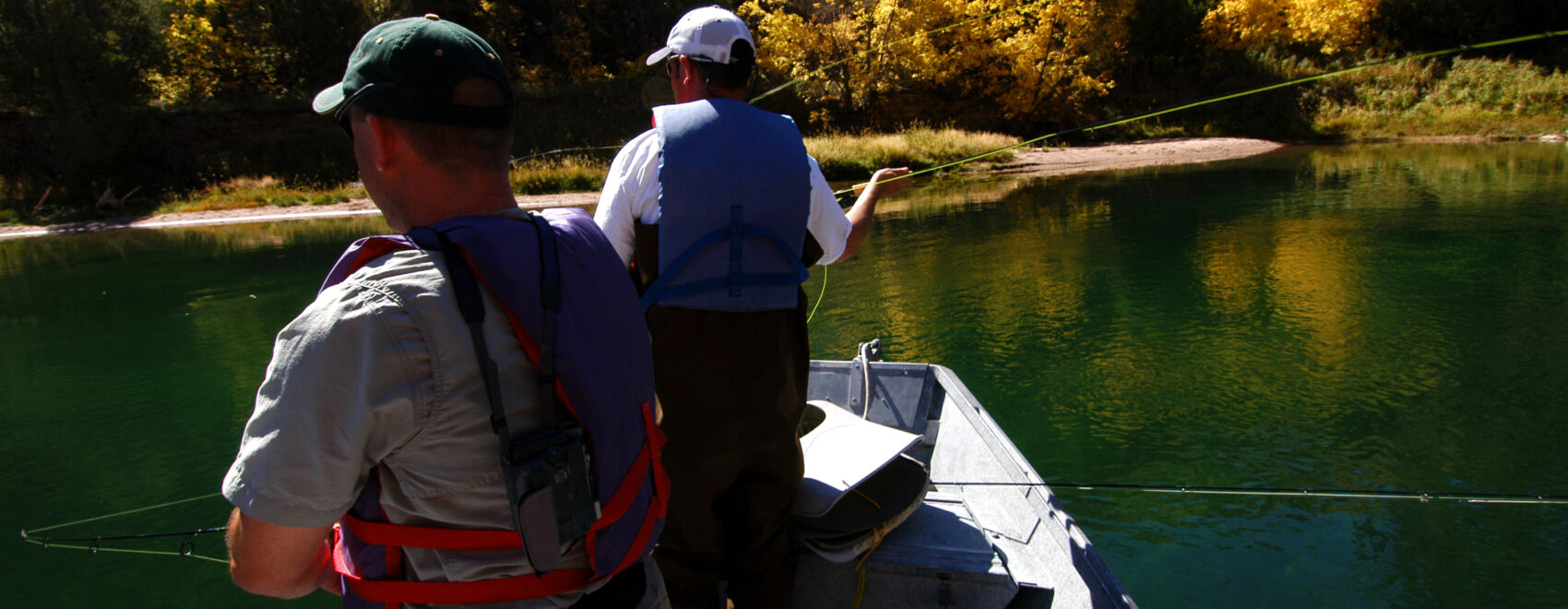
The Green River is a world-renowned destination for anglers, offering some of the finest trout fishing in the western United States. Flowing through the breathtaking landscapes of Flaming Gorge and beyond, the river is home to thriving populations of rainbow and brown trout, making it a top choice for both seasoned fly fishers and beginners alike. With crystal-clear waters, dramatic canyon views, and year-round fishing opportunities, the Green River provides the perfect backdrop for an unforgettable fishing adventure.
Whether you’re wading into the serene currents or floating along in a drift boat, the Green River offers a variety of fishing experiences to suit any angler. In this guide, we’ll explore the best fishing spots along the river, recommend the right gear for your trip, and highlight top-notch guide services to help you make the most of your time on the water.

Best Fishing Spots on the Green River
The Green River is divided into three distinct sections, each offering unique fishing experiences and opportunities. Whether you’re looking for an easily accessible spot with high fish density or a remote area teeming with trophy trout, the Green River has something for everyone. Let’s explore each section in detail.
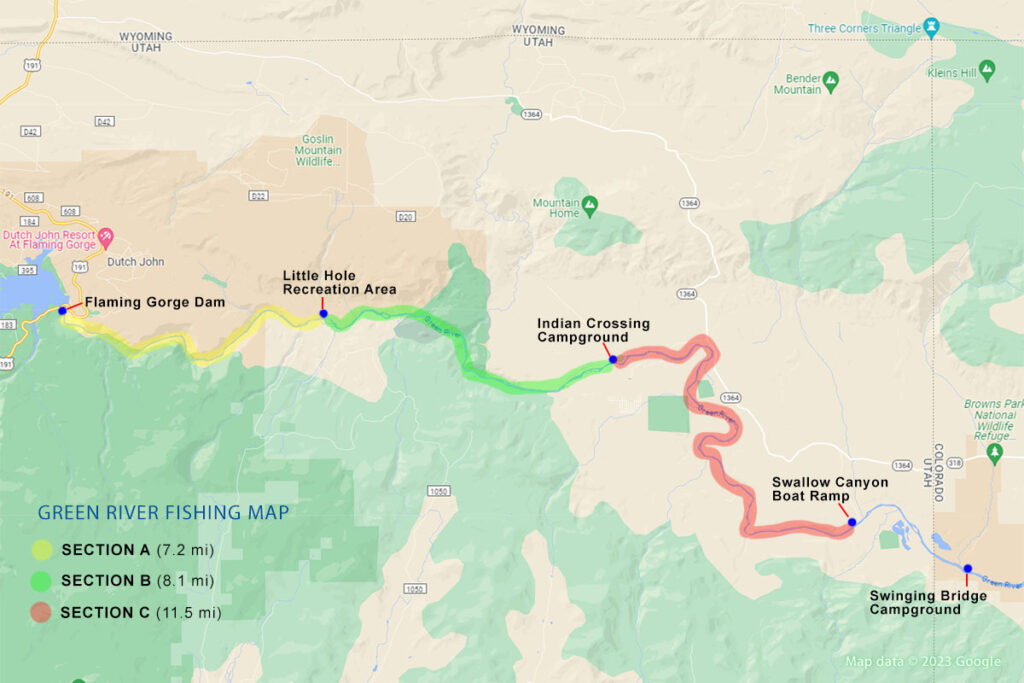
Section A (Flaming Gorge Dam to Little Hole)
Length: 7 miles
Access: Easy
Fishing Style: Wade fishing and drift boat fishing
Fish Species: Rainbow trout, brown trout
Overview:
Section A is the most popular and heavily fished stretch of the Green River, offering easy access and some of the highest fish densities in the river. Known for its crystal-clear waters and stunning red rock canyon walls, this section is ideal for both beginners and experienced anglers looking for consistent fishing action. The river here is relatively calm, with a mix of riffles and deeper pools that hold large numbers of rainbow and brown trout.
Key Spots:
- Flaming Gorge Dam: The section begins just below the dam, where the cold water released from Flaming Gorge Reservoir creates optimal trout habitat. This area is excellent for early morning fishing.
- Little Hole: Located 7 miles downstream, Little Hole is a popular take-out point and offers several great wading spots. Anglers can also hike upstream along the river for access to less crowded areas.
- Back Eddies and Pockets: Look for trout feeding in the slow-moving eddies and soft pockets along the edges of the rapids. These areas provide great opportunities for dry fly fishing, especially during hatch seasons.
Best Times to Fish:
The best fishing in Section A typically occurs from spring through fall, when hatches of blue-winged olives, caddisflies, and terrestrials (ants, grasshoppers) bring fish to the surface. During the cooler winter months, nymphing is most effective in the deeper pools.
Section B (Little Hole to Indian Crossing, Browns Park)
Length: 9 miles
Access: Moderate, more remote
Fishing Style: Drift boat and wade fishing
Fish Species: Brown trout, rainbow trout
Overview:
Section B offers a quieter, more remote fishing experience compared to Section A. As you move downstream, the river winds through wider, more open terrain with fewer crowds and less pressure on the fish. The trout in this section are generally larger, with plenty of trophy-sized brown trout lurking in the deeper runs and pools. Section B is an excellent choice for those looking to combine solitude with exceptional fishing.
Key Spots:
- Red Creek Rapids: Roughly halfway through Section B, this spot offers a challenging rapid followed by calmer water that is excellent for fishing. The area just below the rapids holds some of the larger brown trout.
- Island Riffles: The river here is slower and shallower, creating ideal conditions for wading and drift fishing. The many small islands that dot the river provide perfect locations for trout to hide in the riffles.
- Indian Crossing: This take-out point is also a good spot to fish from the shore or begin a multi-day trip into Section C. Anglers report excellent fishing here, especially in the summer months.
Best Times to Fish:
Spring and early summer are prime times for fishing in Section B, as the warmer temperatures bring hatches of stoneflies, caddis, and mayflies. Late summer and fall offer the chance to fish terrestrial patterns like hoppers, ants, and beetles along the banks.
Section C (Indian Crossing to Swinging Bridge, Colorado State Line)
Length: 14 miles
Access: Difficult, very remote
Fishing Style: Drift boat fishing, wading in some areas
Fish Species: Large brown trout
Overview:
Section C is the most remote and least-visited stretch of the Green River, making it a hidden gem for anglers seeking solitude and the chance to catch large brown trout. The water here is warmer and slower-moving than in the upper sections, which can make fishing more challenging, but the rewards are great. Many anglers believe that Section C holds the largest fish in the river, including brown trout that regularly exceed 25 inches.
Key Spots:
- Browns Park National Wildlife Refuge: This area offers a unique opportunity to fish in a tranquil setting, surrounded by abundant wildlife. The shallow riffles and deeper pools along this stretch are home to some of the river’s biggest trout.
- Swallow Canyon: Near the end of Section C, this area is known for its beautiful scenery and excellent fishing. The slower-moving water here is ideal for using streamer patterns to target large browns hiding near the banks.
Best Times to Fish:
Fishing in Section C is best in the late summer and fall, when terrestrials are abundant, and the trout are more actively feeding along the banks. This section is also popular for nighttime fishing, especially using mouse patterns to target large browns after dark.
Fishing Techniques and Tips for All Sections
- Dry Fly Fishing: This technique is particularly effective in Sections A and B during hatch seasons. Use patterns that match local hatches, such as caddisflies and blue-winged olives.
- Nymph Fishing: When fish aren’t rising, nymphing is the go-to technique for success in all sections. Focus on ledges and drop-offs, especially in deeper pools.
- Streamers: Streamer fishing works well in Sections B and C, especially when targeting larger trout. Cast near the banks and use erratic retrieves to mimic baitfish.
The Green River offers incredible diversity in its fishing spots, allowing anglers to choose between highly productive, easily accessible areas and remote stretches where trophy fish await. Whether you’re wading in the shallows of Section A or floating through the solitude of Section C, the Green River promises an unforgettable fishing experience.
Recommended Gear for Fishing on the Green River
Fishing on the Green River requires proper gear to ensure a successful and enjoyable experience. Whether you’re a seasoned angler or new to the sport, using the right equipment will maximize your chances of hooking into the river’s prized trout. Below, we break down the essential gear you’ll need, from fly rods to specific fly patterns, and offer tips on outfitting for different seasons and fishing techniques.
Fly Rods and Reels
Fly Rods:
- Recommended Rod Weight: For trout fishing on the Green River, a 5-weight fly rod is the most versatile choice. It offers enough power to handle large brown and rainbow trout while providing the finesse needed for delicate presentations.
- Rod Length: A 9-foot rod is ideal for the wide-open casting areas you’ll encounter, especially in Section A, where precision casting can be key to success in back eddies and pocket waters.
- Rod Action: A medium to fast action rod works best, allowing you to cast longer distances and handle the occasional windy conditions in the canyon areas.
Fly Reels:
- Choose a fly reel that balances your rod well and has a smooth drag system to handle larger fish. The Green River is home to some hefty trout, and a reliable drag system is essential for preventing break-offs.
- Reels designed for 5-weight rods are the standard here, with plenty of backing (100-150 yards) in case you hook into a large fish that makes a long run downstream.
Fly Lines and Leaders
Floating Fly Line:
- A weight-forward floating fly line is the best choice for Green River fishing, as it’s versatile enough to handle dry flies, nymphs, and light streamers. Ensure the line matches the weight of your rod (e.g., a 5-weight rod should pair with a 5-weight line).
- In the slower waters of Section C, a double taper fly line can also be beneficial for delicate presentations when targeting more finicky fish.
Leaders and Tippets:
- Leaders: Start with a 9-foot tapered leader that tapers down to 4X or 5X, depending on the clarity of the water and the size of the flies you’re using. For larger fish or when using streamers, you may want to go up to a 3X leader for added strength.
- Tippet: Use 4X or 5X tippet when fishing dry flies and nymphs. For fishing with streamers or during the off-season (late fall and winter), a stronger 3X tippet is recommended to handle larger fish and avoid break-offs during aggressive strikes.
Recommended Fly Patterns
Fly selection varies by season and water conditions, but here are some of the most productive patterns for the Green River:
Dry Flies:
- Blue-Winged Olive (BWO) Parachute: Size 18-22, great for spring and fall hatches in Sections A and B.
- Elk Hair Caddis: Size 14-18, perfect for summer hatches in the faster riffles and slower pools.
- Hopper Patterns (e.g., Morrish Hopper): Size 8-12, highly effective during late summer, particularly in Sections B and C.
- Ants and Beetles (Terrestrial Patterns): Size 12-16, crucial during late summer when fish are feeding near the banks on land-based insects.
Nymphs:
- Pheasant Tail Nymph: Size 16-22, an all-around productive pattern that imitates many different aquatic insects found in the Green River.
- Copper John: Size 14-18, works well in deeper runs, particularly when fished with an indicator in Sections A and B.
- Zebra Midge: Size 20-24, a must-have for winter fishing or when targeting fish feeding on tiny insects during slower periods.
Streamers:
- Woolly Bugger: Size 6-10, effective for targeting large brown trout, especially in Section C.
- Zonker: Size 4-8, an excellent streamer pattern that mimics small baitfish and can provoke aggressive strikes from trophy-sized fish.
- Sculpzilla: Size 6-10, particularly useful in the fall when brown trout are more aggressive during the spawn.
Wading Gear
Given the varying water conditions and terrain in different sections of the Green River, having the right wading gear is essential for comfort and safety.
Waders:
- Breathable Chest Waders: Lightweight, breathable chest waders are recommended for all seasons. They allow for comfort and mobility, even in the summer months when air temperatures can rise but water temperatures remain cool.
- Insulated Waders: If you plan on fishing in the winter months, insulated or thicker waders are essential to stay warm, particularly in the colder waters of Section A below the dam.
Wading Boots:
- Felt-soled wading boots are preferred for the Green River’s slick, moss-covered rocks, providing excellent traction. However, be aware of any local restrictions on felt soles due to invasive species regulations.
- Studded rubber soles are another great option, especially for anglers moving between different bodies of water, as they reduce the risk of transporting invasive species like Didymo.
- Ensure your boots are sturdy, offer ankle support, and are designed for long days in the river.
Wading Accessories:
- Wading Staff: A collapsible wading staff is useful for navigating deeper sections of the river, particularly in Sections B and C where wading can be tricky.
- Wading Belt: A secure wading belt is essential for safety, keeping water from filling your waders in case of a slip or fall.
- Polarized Sunglasses: These are indispensable for reducing glare and allowing you to spot fish in the clear waters of the Green River.
Additional Essentials
Backpack or Sling Pack:
- A small, waterproof pack is ideal for carrying your gear, snacks, water, and extra layers. Sling packs are a popular choice among anglers as they stay out of the way while casting but offer quick access to gear.
Flies and Tippet Organizers:
- Use fly boxes with compartments for organizing different sizes and types of flies. Ensure you have both small dry flies and larger streamers, depending on the time of year and section of the river you’re fishing.
- A tippet holder is useful for keeping various sizes of tippet organized and accessible when you need to make quick changes.
Other Essentials:
- Fishing License: Don’t forget to obtain a Utah fishing license, which is required for all anglers on the Green River. Licenses can be purchased online or at local shops near Dutch John.
- Sunscreen and Lip Balm: Protect yourself from the high-altitude sun, which can be intense during long days on the water.
Summary
Properly outfitting yourself for a day of fishing on the Green River ensures a more enjoyable and productive experience. From a well-balanced 5-weight rod and reel to a diverse selection of flies, having the right gear will set you up for success. Whether you’re wading the riffles of Section A or casting streamers into the slow-moving waters of Section C, equipping yourself with quality gear and understanding the river’s dynamics are key to landing trophy-sized trout on this iconic river.
Guide Services and Outfitting on the Green River
One of the best ways to enhance your fishing experience on the Green River is to take advantage of the local guide services and outfitting options available in Dutch John. Whether you’re a beginner looking for hands-on instruction or an experienced angler wanting to explore new spots, a knowledgeable guide can significantly increase your chances of success. Local outfitters also provide everything you need, from boat rentals to gear, making it easy to enjoy the river without the hassle of transporting your own equipment. In this section, we’ll dive into why hiring a guide is beneficial, what services are offered, and the top outfitting and guide companies in the area.
Why Hire a Fishing Guide on the Green River?
While it’s entirely possible to have a great day fishing on the Green River without a guide, hiring a professional can make your experience even more enjoyable and productive. Here’s why:
1. Local Knowledge and Expertise
Fishing guides are intimately familiar with the river’s layout, including the best fishing spots, seasonal patterns, and how to adjust to the river’s ever-changing conditions. They know where the fish are likely to be and which flies to use, giving you an edge, especially if you’re new to the area. This knowledge is particularly useful on the Green River, where hatches, water flows, and trout behavior can vary greatly depending on the season and section.
2. Targeting Trophy Fish
For anglers looking to hook into a large brown or rainbow trout, a guide can significantly increase your chances. They understand the habits of the river’s trophy-sized fish and will take you to the deeper pools or undercut banks where these giants often reside. They’ll also help you choose the right flies, set up your gear, and offer tips on how to properly fight and land big fish.
3. Learn New Techniques
Even if you’re an experienced angler, there’s always something new to learn. Guides can help you refine your casting, improve your nymphing skills, or teach you how to effectively fish streamers for aggressive brown trout. They’ll also share their knowledge of the river’s entomology (insect life), helping you understand how to match the hatch and select the best flies for the time of year.
4. Stress-Free Fishing
Guided trips take the stress out of planning. The guide handles all the logistics, including securing a boat, packing the gear, and knowing the river’s regulations. They’ll ensure you have a safe and enjoyable trip, so you can focus on fishing and enjoying the stunning scenery. This is especially valuable for first-time visitors who may not be familiar with the local regulations or how to navigate the river.
5. Float Trips for Unmatched Access
One of the most popular ways to fish the Green River is via a drift boat. Many guides offer float trips that allow you to cover miles of river in a single day, accessing areas that are difficult to reach on foot. A guided float trip provides unmatched access to prime fishing spots and allows you to enjoy the river’s scenic beauty from a unique vantage point. Plus, it’s a relaxing way to spend the day as the guide does the rowing while you fish.
Types of Guide Services Available
When planning your fishing trip on the Green River, you’ll find a variety of guide services and outfitting options that cater to different preferences and experience levels. Here are the most common services offered:
1. Half-Day and Full-Day Guided Fishing Trips
- Half-Day Trips: These trips typically last 3-4 hours and are perfect for anglers who want a shorter experience or are fishing in the morning or afternoon. Half-day trips often focus on specific sections of the river, such as Section A or B.
- Full-Day Trips: Full-day trips last 6-8 hours and offer a more comprehensive fishing experience. You’ll have time to explore different sections of the river, try a variety of techniques, and potentially catch more fish. Full-day trips often include lunch and all necessary equipment.
2. Drift Boat Float Trips
- Float trips are a popular way to fish the Green River, especially in Sections A and B. These trips involve fishing from a drift boat as your guide rows you down the river, stopping at prime spots along the way. Float trips provide access to areas that are difficult to reach on foot, and they allow you to cover more water than wade fishing alone. These trips are ideal for anglers who want to experience the full beauty of the river while maximizing their fishing opportunities.
3. Walk-and-Wade Trips
- If you prefer to fish on foot, many guides offer walk-and-wade trips where they’ll take you to the best wading spots along the riverbanks. This type of trip is great for anglers who want a more intimate, hands-on experience or prefer fishing from the shore. Walk-and-wade trips are often offered in Sections A and C, where there is ample wading access.
4. Beginner Fly Fishing Lessons
- For those new to fly fishing, many guides offer introductory lessons that include basic casting techniques, knot tying, reading the water, and fly selection. These lessons are designed to give beginners the confidence and skills needed to enjoy a successful day on the water. Some guide services also offer family-friendly fishing trips, making it a great way to introduce children to the sport.
5. Multi-Day Fishing Adventures
- If you’re looking for an immersive experience, some guides offer multi-day fishing trips that include overnight camping along the river. These trips are typically offered in Sections B and C, where there are designated camping areas. Multi-day trips allow you to explore more remote stretches of the river and experience the tranquility of the wilderness.
Top Guide Services in Dutch John
Several guide services and outfitters operate out of Dutch John, providing high-quality trips and excellent customer service. Here are a few of the top-rated companies to consider:
1. Flaming Gorge Resort
- Services: Full-day and half-day guided fishing trips, drift boat rentals, walk-and-wade trips.
- Overview: With decades of experience on the Green River, Flaming Gorge Resort offers some of the best-guided fishing trips in the area. They cater to all skill levels, from beginner to expert, and provide all necessary gear, including rods, reels, and flies.
2. Trout Creek Flies
- Services: Float trips, wade trips, gear rentals, and fly fishing lessons.
- Overview: Trout Creek Flies specializes in guided float trips on Sections A and B, and their experienced guides are known for their deep knowledge of the river’s hatches and fish behavior. They also have a well-stocked fly shop in Dutch John for any gear you might need.
3. Western Rivers Flyfisher
- Services: Guided drift boat trips, walk-and-wade trips, beginner lessons, and multi-day adventures.
- Overview: Western Rivers Flyfisher offers a variety of custom-tailored trips, including overnight adventures for anglers looking to camp and fish along the Green River. Their guides are highly experienced, with an emphasis on teaching fly fishing techniques to newcomers.
4. Spinner Fall Guide Service
- Services: Full-day and half-day drift boat trips, walk-and-wade trips.
- Overview: Spinner Fall Guide Service is known for its focus on high-quality, personalized service. They offer trips for anglers of all experience levels and can accommodate specific requests, whether you’re looking to target trophy-sized fish or simply enjoy a day on the water.
What to Expect from Your Guide
Most guided trips include everything you need for a successful day on the water. Here’s what you can typically expect:
- Gear Provided: High-quality fly rods, reels, flies, waders, and boots are usually provided. Some guides also offer sunscreen, snacks, and drinks.
- Boat and Safety Equipment: If you’re on a float trip, the guide will provide the drift boat, life jackets, and any necessary safety gear. They’ll handle rowing and navigation, leaving you free to focus on fishing.
- Lunch: Full-day trips often include a packed lunch, which is typically enjoyed at a scenic spot along the riverbank.
- Expert Instruction: Your guide will offer tips and coaching throughout the trip, helping you improve your casting, reading of the water, and fly selection.
- Transportation: Many guide services offer shuttle transportation to and from the river, making logistics simple and stress-free.
Outfitting Services in Dutch John
If you prefer to go out on your own but need equipment, Dutch John is home to several outfitters that offer rentals for boats, rods, reels, and other gear. Local fly shops are also stocked with the latest fly patterns, gear, and advice to help you have a successful day on the water.
- Flaming Gorge Resort Fly Shop: Offers rod and reel rentals, flies, waders, and drift boat rentals. Their staff can provide up-to-date information on river conditions and the best flies to use.
- Trout Creek Flies Fly Shop: Known for its large selection of flies specific to the Green River and Flaming Gorge area. They also offer drift boat and gear rentals.
Conclusion
Hiring a guide or using an outfitting service on the Green River can significantly enhance your fishing experience. Whether you’re new to fly fishing or a seasoned angler looking for expert tips, the local guides in Dutch John offer valuable knowledge, top-notch equipment, and a stress-free way to enjoy this world-class fishery. From half-day walk-and-wade trips to multi-day float adventures, you’ll find the perfect guided trip to suit your style. Take the next step in planning your Green River fishing adventure by booking with one of the highly recommended outfitters in Dutch John.
Tips for a Successful Fishing Trip on the Green River
Fishing the Green River is a world-class experience, but success often depends on more than just showing up with the right gear. Understanding the river’s seasonal changes, timing your trip to match optimal conditions, and knowing local regulations can make a significant difference. This section provides essential tips on timing your trip, mastering the river’s conditions, respecting local regulations, and ensuring your safety for a smooth and successful fishing adventure.
1. Best Times to Fish the Green River
Timing is everything when it comes to fishing the Green River. The river offers great fishing year-round, but certain times of the year are better for specific techniques and fish activity.
Spring (March – May)
- What to Expect: Spring is one of the best times to fish the Green River, as water temperatures begin to rise, triggering significant hatches. The most famous hatch in spring is the blue-winged olive (BWO) hatch, which can create incredible dry fly fishing opportunities. Water flows from the Flaming Gorge Dam are generally steady during this time, making it ideal for both wading and floating.
- Fly Recommendations: Focus on BWO patterns in sizes 18-22, as well as early-season nymphs like Pheasant Tail Nymphs and small emergers.
- Challenges: Spring weather can be unpredictable, so be prepared for cold mornings and the possibility of sudden storms.
Summer (June – August)
- What to Expect: Summer is the peak season for anglers visiting the Green River, with consistent dry fly action thanks to plentiful insect hatches. Stoneflies, caddisflies, and terrestrial insects like grasshoppers and ants are abundant, making surface fishing especially productive. However, summer crowds can make some sections of the river busier, especially Section A.
- Fly Recommendations: Use large stonefly patterns like Salmonfly dries (sizes 6-10) in early summer, followed by hopper and ant patterns (sizes 8-12) later in the season. Nymph fishing with Copper Johns and Hare’s Ear Nymphs is also effective.
- Challenges: Be prepared for hot afternoons, and use sun protection to avoid exposure. Water levels can fluctuate depending on dam releases, so check current flow conditions.
Fall (September – November)
- What to Expect: Fall is a fantastic time to fish the Green River, as the crowds thin out and water conditions remain stable. The cooler weather triggers excellent feeding behavior in trout, especially brown trout preparing to spawn. This season also brings terrestrial action with beetles and ants, and fall baetis hatches can provide rewarding dry fly fishing.
- Fly Recommendations: Focus on smaller BWO patterns and terrestrial patterns like ants and beetles. For nymph fishing, use midges and small Pheasant Tails (sizes 20-24). Streamers like Woolly Buggers (sizes 6-8) are effective for targeting aggressive, pre-spawn brown trout.
- Challenges: As temperatures begin to drop, especially in late fall, you may encounter chilly mornings and early evening cold fronts. Layering your clothing is important for staying comfortable.
Winter (December – February)
- What to Expect: Winter fishing on the Green River can be highly productive, particularly for anglers who enjoy nymphing. With fewer anglers on the river, you’ll enjoy peace and solitude, and the low water levels make fish easier to spot. Trout remain active, feeding on midges and nymphs, particularly in Sections A and B.
- Fly Recommendations: Small nymphs and midge patterns are key during winter. Use Zebra Midges (sizes 20-24) and smaller Pheasant Tails (sizes 20-22) for consistent action. Streamer fishing can also be effective in the deeper pools, especially early in the morning or late in the afternoon.
- Challenges: The main challenge in winter is the cold. Make sure you’re prepared with insulated waders and layered clothing, as temperatures can drop below freezing. Be cautious of icy riverbanks and reduced access due to snow.
2. Understanding Green River Conditions
The Green River is a tailwater fishery, meaning its flow and temperature are regulated by the releases from the Flaming Gorge Dam. These conditions can change daily, impacting fish behavior and fishing techniques. Monitoring current river conditions is essential for planning a successful trip.
Water Flow (CFS – Cubic Feet per Second)
- Water flow directly affects how and where you fish. Flows below 800 CFS make for excellent wade fishing, as more of the riverbed is accessible. When flows rise above 1200 CFS, drifting becomes more favorable, and wading may become difficult in some sections. It’s important to check the current flow rates before you head out. You can find updated water flow information on the USGS website or through local fly shops in Dutch John.
Water Temperature
- Water temperature is another critical factor in determining fish behavior. Optimal trout feeding occurs when water temperatures are between 50-60°F (10-16°C). Because the Green River is a tailwater, the water temperatures remain relatively cool throughout the year, even during the hot summer months. Winter temperatures can drop into the low 40s, slowing down fish metabolism, but nymph fishing remains effective.
River Clarity
- The clarity of the Green River is typically excellent, which makes sight fishing possible in most areas, especially in Section A. However, after heavy rains or high runoff, the river can become murkier, particularly in Section B. Adjust your fishing techniques during these times by using brighter or larger flies to compensate for reduced visibility.
3. Local Regulations and Fishing Ethics
Before you hit the water, it’s essential to be aware of local regulations and practice ethical fishing. The Green River is a treasured fishery, and responsible behavior helps preserve its quality for future generations.
Fishing Licenses
- All anglers over the age of 12 must have a valid Utah fishing license. Licenses can be purchased online through the Utah Division of Wildlife Resources (DWR) website or at local shops in Dutch John. Make sure to carry your license with you while fishing, as you may be asked to show it if approached by authorities.
Catch-and-Release Zones
- The Green River has specific regulations about which fish can be kept. In Section A, all trout between 13-20 inches must be released. You are allowed to keep two fish under 15 inches and one fish over 22 inches, but catch-and-release practices are strongly encouraged, particularly for large brown trout.
Barbless Hooks
- While not required by law, many anglers prefer using barbless hooks to minimize damage to fish and make releasing them easier. Barbless hooks reduce the risk of injuring the trout, ensuring a healthier population for the future.
Respect Other Anglers
- The Green River can get crowded, especially in Section A near popular access points like Little Hole. Be respectful of other anglers by giving them plenty of space, particularly if they’re actively fishing. Avoid drifting too close to wade anglers or casting into someone else’s spot.
Leave No Trace
- Practice Leave No Trace principles while fishing the Green River. Pack out all trash, including discarded fishing line, and respect the natural environment. Keep in mind that fires are not allowed along the banks in many areas, and camping is restricted to designated spots in Section B and C.
4. Safety Tips for Green River Fishing
While the Green River offers a serene and enjoyable fishing experience, it’s important to be mindful of safety, especially when wading or floating.
Wading Safety
- Wading Staff: The Green River can be slick with algae-covered rocks, especially in Sections B and C. A wading staff will help you maintain balance, particularly in deeper sections or when crossing riffles.
- Proper Footwear: Ensure your wading boots have good traction. Felt soles or rubber soles with studs are ideal for the slick, rocky bottom of the river.
- Wading Belt: Always wear a wading belt when using chest waders to prevent water from filling them in case of a fall.
Weather Awareness
- The weather in Dutch John and along the Green River can change quickly. Bring extra layers, rain gear, and sun protection no matter the season. In winter, frostbite and hypothermia are real risks, so dress in insulated, moisture-wicking layers and avoid staying in wet clothing for too long.
Float Trip Safety
- If you’re taking a drift boat or inflatable raft on the river, ensure everyone wears a life jacket at all times, especially when passing through the Red Creek Rapids in Section B. Check water flows before launching, as high flows can make navigating rapids more difficult.
- Be aware of potential hazards like submerged logs or rocks, which can damage boats or create dangerous situations.
Summary
Fishing the Green River can be a rewarding and memorable experience if you’re prepared. Timing your trip to match hatches and favorable water conditions, understanding the river’s dynamics, and adhering to local regulations are all key components of a successful trip. Respecting other anglers, practicing ethical fishing, and ensuring your safety will help make your Green River adventure one you’ll never forget. Whether you’re chasing trophy brown trout in Section B or enjoying the scenic beauty of Section A, proper preparation ensures you get the most out of this world-class fishery.
Additional Resources for Fishing the Green River
Fishing the Green River can be a complex but rewarding experience. To help you maximize your trip, a variety of local and online resources are available. These resources will not only enhance your understanding of the river but also provide essential logistical support, including up-to-date information on water flows, fishing regulations, access points, and where to find the best fly patterns. In this section, we’ll explore a range of useful tools, maps, and local recommendations to ensure you’re fully prepared for your fishing adventure.
1. Maps and River Flow Information
A detailed map of the Green River is crucial for both planning your trip and navigating the river effectively. Understanding where to access the river, the boundaries of each section (A, B, and C), and key landmarks such as boat launches and campsites will help you plan your day more efficiently. Additionally, keeping track of real-time river flow data ensures you can adjust your fishing strategies and determine whether to wade or drift.
Green River Maps
- BLM Green River Recreation Map: This map, available through the Bureau of Land Management (BLM) website, provides an excellent overview of the Green River from Flaming Gorge Dam to the Colorado State Line. It highlights access points, boat ramps, campsites, and parking areas, making it an essential resource for both wading anglers and boaters.
- Download the map here【48†source】.
- Local Fly Shops: Several local fly shops in Dutch John offer printed maps of the Green River tailored for anglers. These maps often highlight specific fishing spots, recommended wading areas, and key drift boat routes for each section of the river.
- Trout Creek Flies and Flaming Gorge Resort Fly Shop are great places to pick up detailed maps and receive personal advice on navigating the river.
Real-Time River Flow Information
- The USGS Green River Stream Flow Data provides up-to-date information on water flows from the Flaming Gorge Dam. The river’s flow, measured in cubic feet per second (CFS), can vary significantly depending on dam releases, seasonal snowmelt, or rainfall. Higher flows are more favorable for drifting, while lower flows offer better wading opportunities.
- Access real-time flow information from the USGS Water Data website here.
- Optimal Flow Ranges: Flows between 800-1200 CFS are ideal for both wading and floating, with flows above 1500 CFS being more challenging for wading anglers but still excellent for drift boat fishing.
GPS Tools
- If you prefer digital tools, several GPS apps and programs allow you to download topographic maps of the Green River, marking key fishing locations and access points. Some popular apps include OnX Maps and Gaia GPS, both of which offer offline access so you can navigate without cell service.
2. Fly Shops and Local Outfitting Resources
The fly shops in Dutch John are valuable resources not only for gear but also for insider knowledge. These shops can help you fine-tune your fly selection, provide current information on hatches, and recommend specific areas of the river based on the time of year. Additionally, they often carry local fly patterns that are particularly effective on the Green River’s trout.
Recommended Fly Shops
- Trout Creek Flies: Located in Dutch John, Trout Creek Flies is one of the most well-known fly shops in the area. The staff are experienced anglers who fish the Green River regularly, and they offer excellent recommendations for fly patterns, gear, and river conditions. They also provide guided trips, boat rentals, and wading gear.
- Address: 1150 Flaming Gorge Lodge Rd, Dutch John, UT
- Services: Fly patterns, rods, reels, boat rentals, guided trips.
- Local Fly Patterns: Look for specific Green River patterns like small BWO emergers, PMD nymphs, and terrestrial flies such as hoppers and ants.
- Flaming Gorge Resort Fly Shop: Another excellent resource, Flaming Gorge Resort Fly Shop is located just minutes from the river. They have a wide selection of flies, including patterns tied specifically for the Green River. Their staff can help with gear rentals, fishing licenses, and updated information on fishing conditions.
- Address: 1100 Flaming Gorge Lodge Rd, Dutch John, UT
- Services: Fly patterns, boat rentals, fishing licenses, guide services.
Outfitting Services
- If you’re planning a more extended trip and need additional gear or boat rentals, several local outfitters in Dutch John offer comprehensive services. Trout Creek Flies and Flaming Gorge Resort both rent drift boats, provide shuttle services, and offer multi-day equipment rentals. Additionally, if you need wading boots, chest waders, or other equipment, they have rental options available.
- Drift Boat Rentals: Renting a drift boat is highly recommended for anglers looking to cover more water and access remote parts of the river, particularly in Sections B and C. Both outfitters provide quality boats, oars, and safety gear.
3. Utah Fishing Regulations and Licenses
Fishing on the Green River requires compliance with Utah’s state fishing regulations. Make sure you are up to date with current rules, including seasonal changes to limits, catch-and-release areas, and barbless hook requirements. Understanding these regulations helps preserve the health of the fishery and ensures you are fishing responsibly.
Where to Buy a License
- Online: You can purchase your Utah fishing license online through the Utah Division of Wildlife Resources (DWR) website. Annual and short-term licenses are available depending on the length of your stay.
- In Person: Fishing licenses can also be purchased at local fly shops like Trout Creek Flies or Flaming Gorge Resort Fly Shop in Dutch John.
Catch Limits and Regulations
- Catch-and-Release Requirements: In Section A of the Green River, trout between 13-20 inches must be released. Anglers are allowed to keep two fish under 15 inches and one fish over 22 inches per day. In general, catch-and-release is highly encouraged to help maintain the river’s healthy trout population.
- Barbless Hooks: While barbless hooks are not mandatory, they are strongly recommended to reduce harm to the fish. Many anglers use them voluntarily to help ensure the sustainability of the fishery.
- Seasonal Closures: Occasionally, certain parts of the river may have temporary closures or restrictions based on fish spawning patterns or environmental conditions. Check the Utah DWR Fishing Guidebook for updates on any seasonal changes or restrictions.
4. Guide Services and Trip Planning Resources
For anglers looking for a more curated experience, Dutch John is home to several reputable guide services. These professionals offer everything from half-day trips to multi-day adventures, helping you make the most of your time on the river. Many guides are not only experts at navigating the river but also provide invaluable advice on fly selection, casting techniques, and river strategies based on the season and conditions.
Recommended Guide Services
- Trout Creek Flies Guide Service: Known for their experienced guides, Trout Creek Flies offers both wade and float trips. Whether you’re targeting trophy-sized browns in Section B or chasing rainbows in the riffles of Section A, they’ll tailor the trip to your skill level and goals.
- Service Offered: Half-day and full-day float trips, walk-and-wade trips, beginner lessons.
- Western Rivers Flyfisher: This outfitter offers premium float trips on the Green River, with knowledgeable guides who can help anglers fine-tune their techniques and target trophy fish. They also offer custom-tailored multi-day fishing adventures.
- Service Offered: Drift boat trips, walk-and-wade trips, multi-day trips.
Trip Planning Resources
- Flaming Gorge Recreation Area Website: This is a great resource for planning your overall visit to the Green River and Flaming Gorge area. It offers information on camping, boating permits, and other outdoor activities.
- Weather and Conditions Reports: Staying up to date on weather conditions is crucial, especially if you plan to fish in the colder months. Services like NOAA or local fly shops provide up-to-date forecasts, helping you prepare for changing weather and water conditions.
- Link: NOAA Weather Reports
5. Green River Fishing Forums and Online Communities
Connecting with other anglers who have fished the Green River is a great way to get firsthand tips and recommendations. Several online communities and forums focus on fly fishing in Utah and the Green River specifically. These forums often feature trip reports, hatch charts, and gear reviews, making them excellent resources for both planning your trip and fine-tuning your strategies.
Popular Forums and Communities
- The Fly Fishing Forum (Utah Section): This forum features a wealth of user-generated content, including discussions on fly patterns, seasonal conditions, and recommended guides. The community is active and responsive, making it a great place to ask specific questions about fishing the Green River.
- Link: The Fly Fishing Forum
- Reddit’s r/FlyFishing: This community is home to anglers from all over the world, but posts about Utah’s Green River are common. Users often share their trip experiences, fly recommendations, and tips on how to handle changing river conditions.
- Link: Reddit r/FlyFishing
Summary
With a wealth of maps, guides, outfitting services, and online resources at your disposal, you’re well-equipped to plan a successful fishing trip on the Green River. Whether you’re seeking detailed river flow data, personalized advice from local fly shops, or a guided adventure, the tools are available to help you make the most of your experience. Use these resources to fine-tune your gear, timing, and techniques, ensuring you have everything you need to tackle this iconic fishery and land the trout of a lifetime.
Conclusion: Planning Your Perfect Green River Fishing Adventure
The Green River is a fly fishing paradise, offering anglers from all over the world a chance to fish some of the most pristine waters in the western United States. From the crystal-clear stretches below Flaming Gorge Dam to the more remote and wild sections further downstream, this river provides a variety of opportunities for anglers of all skill levels to experience world-class trout fishing amidst breathtaking natural scenery.
Throughout this guide, we’ve covered everything you need to know to plan a successful fishing trip to the Green River. Whether you’re wading the shallows of Section A, floating through the tranquil waters of Section C, or targeting trophy-sized brown trout in the deeper pools of Section B, preparation is key to making the most of your time on the river.
Recap of Key Points
1. Best Fishing Spots
The Green River is divided into three distinct sections, each offering unique fishing opportunities. Section A is known for its high trout density and easier access, making it perfect for beginners or those looking for consistent action. Section B offers a more remote experience with larger trout and fewer crowds, while Section C provides solitude and a chance to target trophy fish in a serene, slower-moving environment.
2. Gear Recommendations
Proper gear is essential for success on the Green River. A 5-weight rod, floating fly line, and a selection of flies that match the river’s seasonal hatches will put you in the best position to land fish. Don’t forget essential gear like waders, wading boots, and polarized sunglasses, which will enhance your experience by keeping you comfortable and improving your visibility on the water.
3. Guide Services and Outfitting
While the Green River can be fished independently, hiring a local guide can significantly enhance your experience. Professional guides know the river intimately, from the best fishing spots to the ideal flies to use during different seasons. Whether you’re looking for a half-day walk-and-wade trip or a multi-day float adventure, Dutch John offers several reputable guide services ready to help you make the most of your trip. Additionally, local fly shops and outfitters provide high-quality gear rentals, advice, and river maps to ensure you’re fully equipped for a successful day on the water.
4. Timing and Conditions
Timing your trip to match seasonal hatches and optimal water conditions can greatly improve your chances of success. The Green River offers great fishing year-round, with peak activity during spring and summer hatches of blue-winged olives, caddisflies, and terrestrials. Winter fishing can also be productive, especially for those who enjoy the solitude and technical challenges of nymphing. Monitoring real-time river flows, water temperature, and weather conditions is crucial for adjusting your fishing strategy.
5. Regulations and Ethics
Respecting local regulations and practicing ethical fishing is key to preserving the health of the Green River’s fishery. Be sure to carry a valid Utah fishing license, adhere to catch-and-release rules for specific trout sizes, and consider using barbless hooks to reduce harm to the fish. By following these guidelines, you’ll help maintain the river’s pristine environment for future generations of anglers.
Making the Most of Your Adventure
A fishing trip to the Green River is more than just an opportunity to catch trout—it’s an immersive outdoor experience that combines the beauty of nature with the thrill of fly fishing. Whether you’re floating through the towering red canyon walls of Section A or quietly stalking a rising trout in the slower waters of Section C, the Green River has a special way of drawing anglers into its tranquil, yet challenging, environment.
Here are some final tips to ensure you get the most out of your Green River fishing adventure:
- Plan Ahead: The Green River is a popular destination, so it’s wise to book guide services, lodging, and equipment rentals in advance, especially during peak fishing seasons. Make sure to secure your Utah fishing license and check the latest regulations before arriving.
- Be Flexible: Conditions on the river can change quickly due to water releases from Flaming Gorge Dam or shifting weather patterns. Being adaptable with your fishing techniques—whether switching from dry flies to nymphs or adjusting your approach based on water clarity—can turn a challenging day into a productive one.
- Take in the Scenery: Don’t forget to enjoy the stunning landscapes that surround the Green River. Whether you’re admiring the canyon walls, observing wildlife, or enjoying a quiet moment of reflection on the riverbank, the natural beauty of this area is a key part of the experience.
- Respect the Environment: As with any natural wonder, it’s important to leave the Green River better than you found it. Follow Leave No Trace principles, pack out all trash, and avoid trampling delicate riverbanks and vegetation.
Ready to Plan Your Green River Adventure?
Now that you’re equipped with the knowledge of the best fishing spots, gear recommendations, guide services, and key tips for success, it’s time to start planning your Green River fishing trip. Whether you’re a seasoned angler or a newcomer to fly fishing, the Green River offers an experience that is unmatched—full of natural beauty, technical challenges, and the promise of landing a beautiful rainbow or brown trout.
If you’re ready to embark on your Green River adventure, visit Dutch John Adventure Outpost to book your trip, rent gear, or connect with a local guide who can help tailor the perfect fishing experience for you. With the right preparation and resources, your trip to the Green River is sure to be one you’ll remember for years to come.
In conclusion, the Green River is more than just a fishing destination—it’s a place where anglers of all levels can connect with nature, challenge their skills, and create lasting memories. Whether you’re planning a solo trip, a family outing, or a guided adventure, this iconic river is waiting to offer you the fishing experience of a lifetime.
Leave a Reply
You must be logged in to post a comment.